These 16 states are offering tax-free shopping days as back-to-school costs soar to over $800 per student
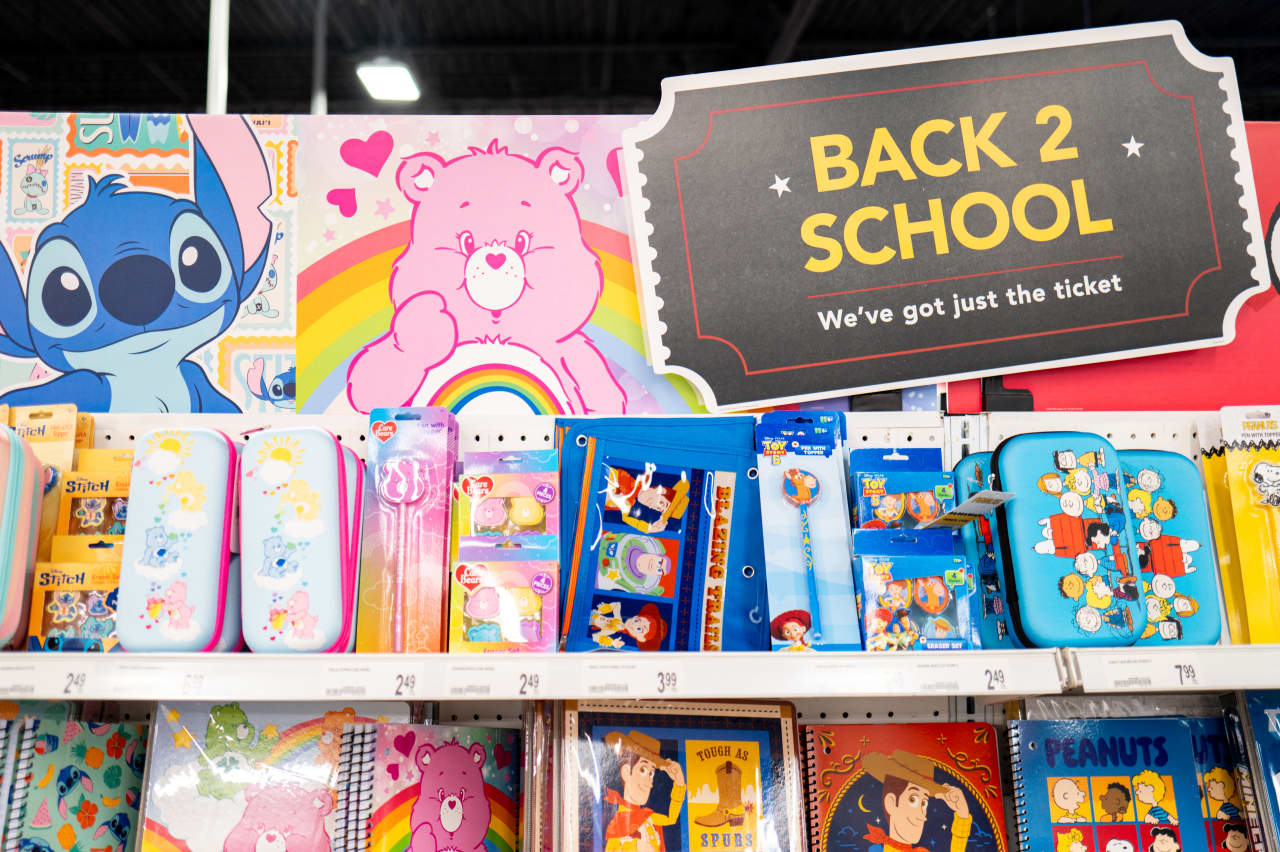
As inflation continues to squeeze household budgets, parents and students are on a mission to find back-to-school bargains.
The decision by 16 states to offer tax-free shopping days is a strategic move to alleviate the financial burden on households as they prepare for the upcoming school year. With back-to-school costs exceeding $800 per student, this initiative aims to provide some relief to parents and students who are struggling to cope with the rising expenses. From a currency perspective, this development is significant as it highlights the impact of inflation on consumer spending and the measures being taken by state governments to mitigate its effects.
As the US economy continues to grapple with inflation, the tax-free shopping days are likely to have a positive impact on consumer spending, at least in the short term. By offering exemptions on sales taxes, states are encouraging people to make purchases, which could help boost local economies. However, it is essential to consider the broader implications of this move, including the potential loss of revenue for state governments and the possibility that consumers may simply be shifting their spending patterns rather than increasing their overall expenditure.
The effectiveness of these tax-free shopping days in stimulating economic growth and providing meaningful relief to households will be closely watched in the coming weeks. Currency traders and investors will be monitoring the impact on consumer spending and inflation, as well as the potential response from the Federal Reserve. As the back-to-school season progresses, it will be crucial to track the sales data and assess whether the tax-free shopping days have had a significant impact on household budgets and the overall economy, and what this might mean for the direction of monetary policy.
Originally reported by marketwatch.com. CurrencyNews adds analysis for finance & markets readers.