Store brands like Kirkland are winning the war for consumer wallets, squeezing out national brands
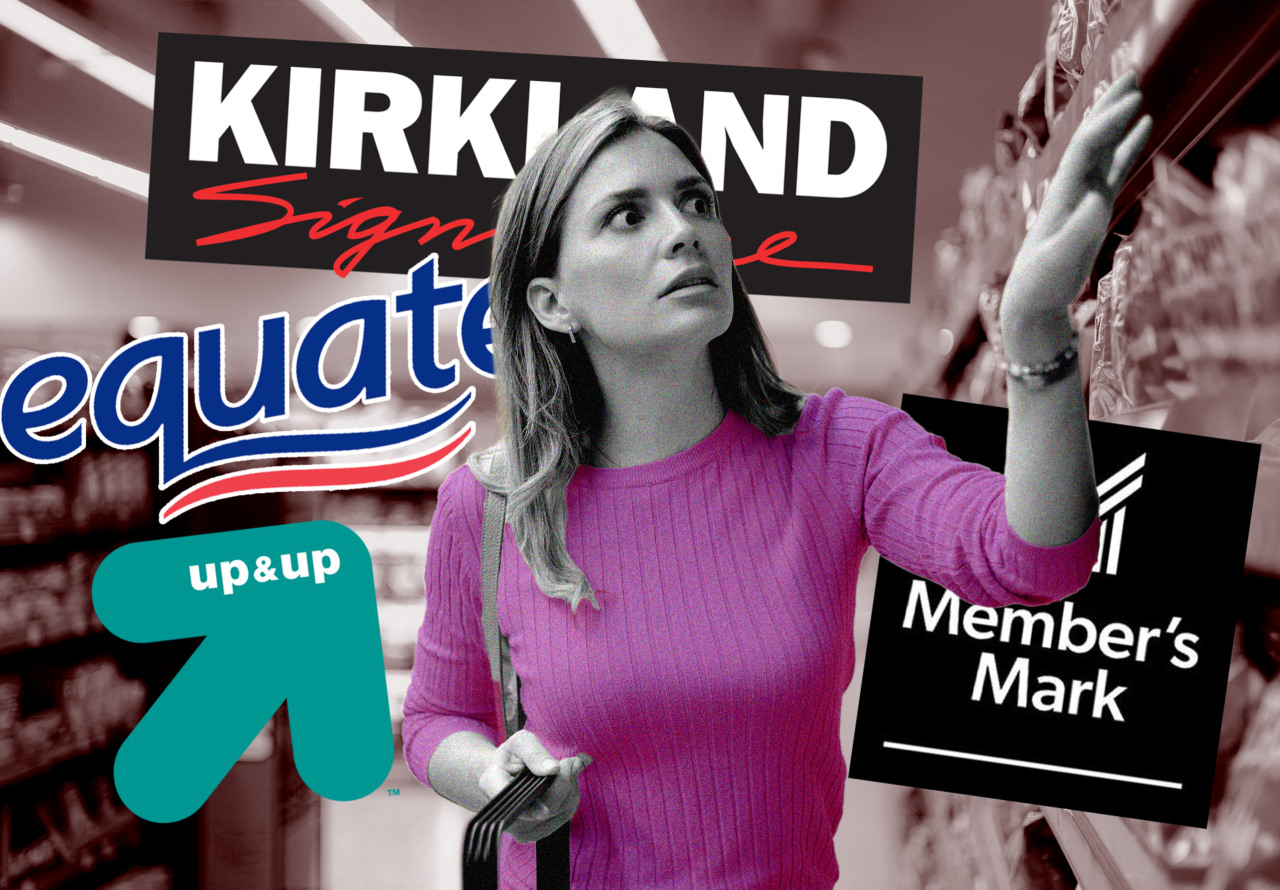
From razors to soda, private label keeps eating retail. For many big brands, there’s no point fighting it.
The rise of store brands, such as Kirkland, is a significant trend in the retail landscape, with implications for consumer spending and the broader economy. As private label products continue to gain traction, national brands are finding it increasingly difficult to compete, leading some to concede the battle for market share. This shift is notable, as store brands have historically been viewed as lower-end alternatives, but now offer comparable quality at a lower price point.
The trend towards private label products has been driven by consumers becoming more price-conscious, particularly in the wake of economic uncertainty. As a result, retailers have been expanding their store brand offerings, investing in quality and marketing to make them more appealing to consumers. This strategy has paid off, with store brands now accounting for a significant proportion of sales in many categories. For national brands, the challenge is to adapt to this new reality, either by competing on price or differentiating themselves through innovation and quality.
Looking ahead, the key to watch is how national brands respond to the growing dominance of store brands. Some may choose to focus on premium offerings, targeting consumers willing to pay more for brand loyalty or unique features. Others may need to reevaluate their pricing strategies or explore partnerships with retailers to stay competitive. For currency markets, the implications of this trend are significant, as changes in consumer spending habits can have a ripple effect on economic growth and inflation. As such, investors will be closely monitoring retail sales data and consumer sentiment indicators for signs of how this trend will continue to evolve.
Originally reported by marketwatch.com. CurrencyNews adds analysis for finance & markets readers.