All the ways $6 diesel and rising gas prices are about to make your life more expensive — from commuting to grocery shopping
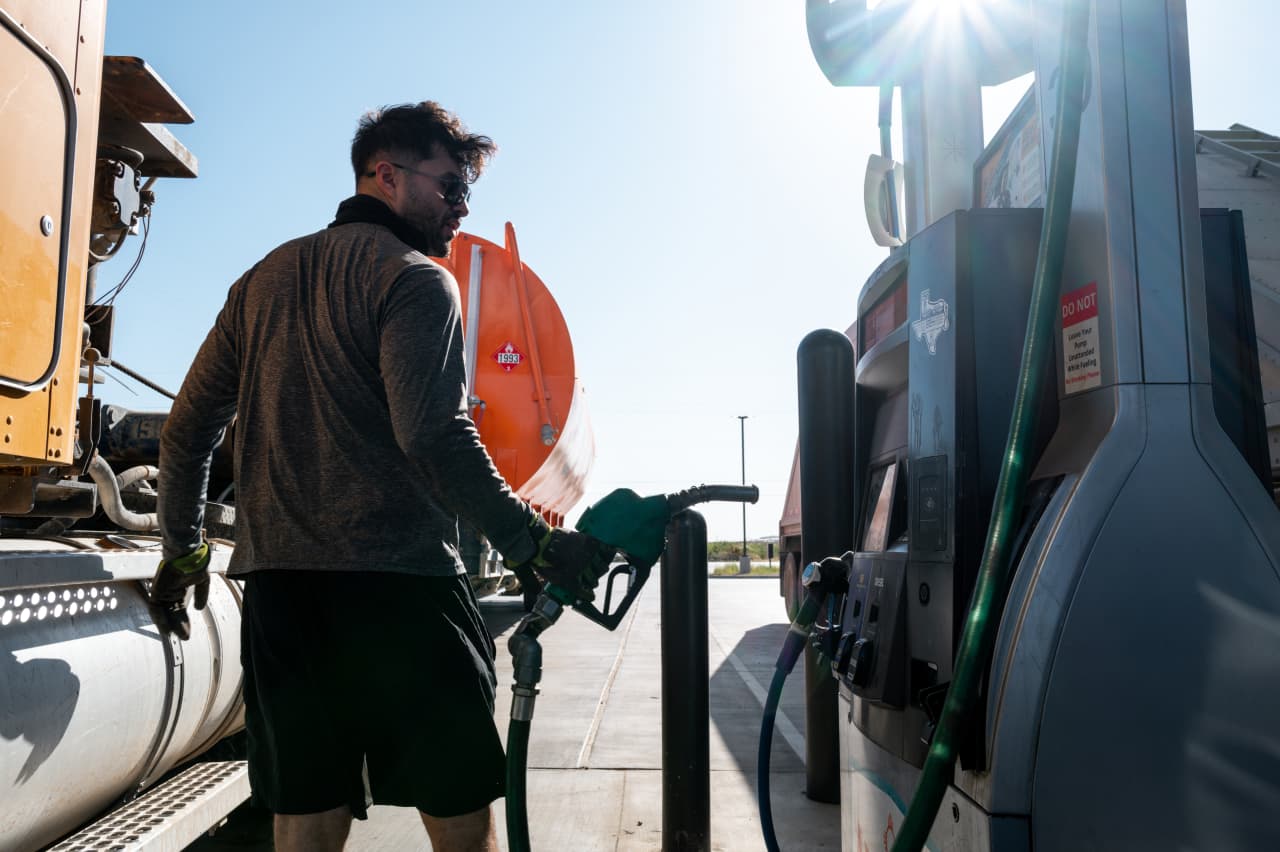
“Diesel touches everything in the economy,” one analyst says.
The recent surge in diesel and gas prices is expected to have far-reaching consequences on the economy, affecting various aspects of daily life. As one analyst notes, diesel is a fundamental component that permeates every sector, making it a crucial factor in determining the overall cost of living. The impact of rising fuel prices will be felt across the board, from commuting and transportation to grocery shopping and consumer goods.
The effects of higher diesel and gas prices will be particularly pronounced in the currency market, as they can influence inflation rates, trade balances, and ultimately, exchange rates. A rise in fuel prices can lead to increased production costs, which may be passed on to consumers, potentially fueling inflation. This, in turn, can impact the value of a country's currency, making imports more expensive and affecting trade relationships with other nations. As a result, currency traders and investors will be closely monitoring the situation, looking for opportunities to capitalize on potential fluctuations in exchange rates.
As the situation continues to unfold, it is essential to keep a close eye on the developments in the fuel market and their subsequent impact on the economy. The key factors to watch will be the response of central banks and governments to rising inflation, as well as the potential effects on trade balances and exchange rates. Additionally, the reactions of major economies, such as the US, Europe, and Asia, will be crucial in determining the overall direction of the currency market. By staying informed and up-to-date on these developments, investors and traders can make more informed decisions and navigate the challenges posed by rising fuel prices.
Originally reported by marketwatch.com. CurrencyNews adds analysis for finance & markets readers.